Buying a New Construction Home in North Port, FL: A Step-by-Step Guide
North Port is one of the fastest-growing cities in Southwest Florida, and much of that growth is happening one home at a time on individual lots rather than in large master-planned communities. If you are thinking about buying a brand-new home here, the process is a little different from buying a resale home. This guide walks through what to expect, from choosing a home and lot to closing day and your first year in the house.
1. Understand how new homes are built in North Port
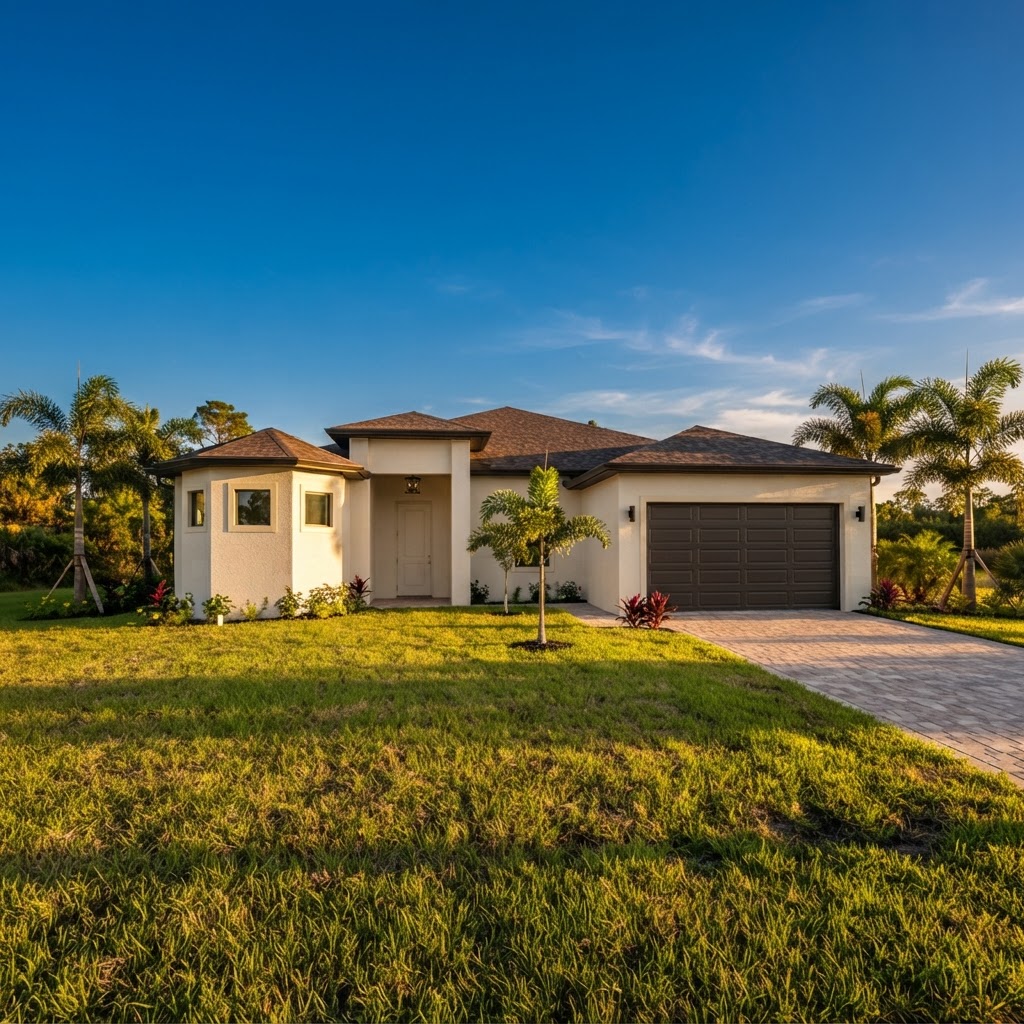
Much of North Port was platted decades ago into thousands of residential lots, many of them around 10,000 square feet. Builders like DCA Florida Homes buy individual lots across the city and build on them, which is why you will often see a brand-new home on a street of older homes. Some lots back onto canals or are larger than standard. Because homes are spread across the city rather than grouped in one community, you can choose the location that fits you best, often without HOA fees, but it also means each lot should be reviewed on its own.
2. Choose between a finished home and one under construction
Buying a home that is already finished means you can walk through it and move in soon after closing. Buying a home that is under construction or coming soon can give you an earlier look and more time to plan your move, but you will need to wait for completion and the certificate of occupancy before closing. Ask for the estimated completion date and how you will be updated as construction moves along. See our homes available now and coming soon.
3. Look at the floor plan, then the lot
DCA Florida Homes builds a set of proven plans, including The Robin, The Heron, The Pelican and The Flamingo, with three- and four-bedroom layouts. Explore the floor plans. Once you like a plan, look closely at the lot: its size, whether it is a standard, oversized or canal lot, which way the home faces, and what is around it.
Check the flood zone for each lot
Flood zones are set by FEMA flood maps and can differ from one lot to the next, even on the same street. Ask for the flood zone of any home you are considering and look it up yourself on the FEMA Flood Map Service Center. The flood zone affects whether a lender will require flood insurance and what that insurance may cost.
4. Why the building code matters
New homes in Florida are built to the current Florida Building Code, which includes wind-load and other requirements written with hurricanes in mind. The 8th Edition (2023) of the code took effect on December 31, 2023. A newer home also means a new roof and new major systems. These features can help with insurance: Florida insurers are required to offer premium discounts for qualifying wind-mitigation features, so ask your insurance agent about a wind-mitigation inspection when you shop for coverage.
5. Line up financing early
Most buyers of a finished new home use the same types of mortgages as resale buyers, such as conventional, FHA or VA loans, depending on eligibility. Get pre-approved before you make an offer so you know your budget, and ask your lender how long the approval is good for if the home will not be finished for a few months. See our financing page. This is general information, not lending advice; your lender will confirm what programs you qualify for.
6. Work with a buyer's agent
You are welcome to bring your own real estate agent when you buy a DCA home. A local agent can help you compare homes, review the contract and coordinate inspections. If you are moving from another state, your hometown agent can refer you to a Florida agent.
7. Inspection, appraisal and closing
Even on a brand-new home, an independent home inspection is a smart step. Your lender will order an appraisal, and a title company will handle the closing. If you are buying from out of state, much of the process, including signing many documents, can often be handled remotely; ask your title company what they offer.
8. After you move in: warranty and homestead
Your new home comes with a new-construction warranty; review what it covers and how to submit a request on our warranty page. If the home will be your primary residence, you may qualify for Florida's homestead exemption. Generally you must own and live in the home as of January 1 and apply with the county property appraiser by March 1 of that year. Check the Sarasota County Property Appraiser's website for details.
Frequently asked questions
Do new homes in North Port have HOA fees?
Many homes built on individual lots in North Port are not part of an HOA. Ask about any specific home before you buy.
Can I buy a new home from out of state?
Yes. You can see homes by video, sign many documents electronically and close remotely.
Can I use my own real estate agent?
Yes. DCA Florida Homes works with buyer's agents.
How do I find out a home's flood zone?
Ask us for the flood zone of any home, and confirm it on the FEMA Flood Map Service Center.
Ready to see what's available?
Browse homes for sale and coming soon in North Port and Port Charlotte, or get in touch with our team.